


Emergency Roof Repair Handbook
Have you awakened to the dreaded sound of dripping water and discovered a breach in your ceiling? Directing you through the thick of a roof repair emergency, this handbook equips you with the know-how to promptly address leaks, secure loose components, and tackle small damages that threaten your property. As water damage looms, you’ll learn essential strategies to mitigate harm until professional help from local roofing companies arrives. By delving into this content, you’ll gain practical tips to defend your home’s integrity, ensuring peace of mind during unexpected roofing crises. Simple, clear instructions will take the panic out of sudden leaks and potential water damage, empowering you to act confidently and effectively when time is of the essence.

Recognizing Urgent Roof Repair Needs in Emergencies
When harsh weather strikes, prompt identification of roof damage is fundamental for homeowner privacy and safety. Roof checks for visible damage, such as cracks or missing shingles, demand immediate attention. Homeowners should also stay alert for unusual sounds during rain or lightning storms that might signal underlying issues. Checking interior walls for water stains or mold can pinpoint potential leaks. With expert insight, the upcoming sections delve into these critical indicators, providing practical tips for homeowners to address emergency repair needs efficiently.
Inspecting the Roof for Visible Damage Signs
During the aftermath of a natural disaster, homeowners must swiftly assess their roof for conspicuous signs of damage. A seasoned roofer would advise inspecting for torn or missing asphalt shingles, bent flashing, or punctures—common issues following a severe storm. These breaches can lead to leaks and structural problems, so rapid detection and repair are crucial, especially for a commercial roof which could impact business operations.
Visible damage might not always be immediately apparent from the ground; therefore, safety permitting, a closer examination is warranted. Homeowners should look for granules from asphalt shingles in gutters or downspouts as indicators of wear or storm damage. Identifying such early warning signs can avert more extensive damage, guiding the roofer to prioritize urgent repair areas and ultimately maintain the roof‘s integrity and the building’s protection.
Listening for Unusual Sounds Indicating Issues
When urgent roof repairs are needed, unusual noises can serve as critical alerts for homeowners. The sound of debris scratching or thudding against the roof could indicate loose shingles or slate being dislodged, a sign that quick action is necessary. Such auditory cues prompt a homeowner to assess the accessibility of the issue and decide whether to contact a roofing specialist. In instances where immediate personal inspection isn’t safe, jotting down an email address for a reputable contractor to schedule an emergency evaluation is a prudent step.
In the quiet of the night or during a lull in the storm, creaking or popping sounds emanating from the attic can be revealing. These noises might suggest that the structural integrity of the roof is compromised, necessitating urgent attention to prevent further damage or even collapse. Homeowners should listen attentively for these warnings and, without compromising their safety, seek professional assistance as swiftly as possible to address such pressing concerns.
Checking Interior Walls for Leak Indicators
Homeowners facing a roof emergency are wise to examine interior walls for stains or dampness. This is often where evidence of roof damage reveals itself. An emergency roof tarping may become necessary if a homeowner discovers dark spots on ceilings or walls, indicating water penetration that could worsen without swift action. This method of mitigation can temporarily protect the home until a professional roofer can complete a repair, demonstrating how quick thinking paired with internet resources to find local contractors can be a homeowner’s ally during a crisis.
When water trickles down interior spaces, time is of the essence to prevent further deterioration or mold growth. Homeowners should look for peeling paint or wallpaper as red flags for leaks. In such instances, securing the area with a screw or patch can provide a temporary fix to mitigate the immediate issue. However, these are stopgap measures and it’s critical to arrange professional inspections posthaste. An expert roofer can verify the extent of the roof damage and recommend durable solutions, ensuring the occupants’ safety and the home’s structural integrity.
Essential Tools and Materials for Quick Roof Repairs
When severe weather strikes, efficiency is key in mitigating roof damage. Homeowners must equip themselves with the right tools and materials for immediate, effective roof repair services. This section charts a path for gathering the essential items for prompt fixes, choosing suitable temporary repair materials, and preparing a homeowner’s emergency roof repair kit. From fortifying against ice dams to addressing wood shingle damage, these insights into United States home maintenance practices are invaluable for rapid response scenarios. Armed with the right kit, residents can address pressing damages post-storm, minimizing potential impacts on their home’s integrity.
Gathering Necessary Tools for Immediate Fixes
Having the proper tools at hand is vital for homeowners to effectively tackle immediate roof damages. They should assemble maintenance essentials like tarps, roofing nails, sealant, and a sturdy ladder, which are fundamental for quick roofing fixes. Having these items readily accessible can make all the difference in safeguarding the home from further damage roof repair might prevent, ensuring that swift actions can be taken when roofing services are not immediately available.
It’s beneficial for individuals to possess basic roofing materials such as patching fabric and roofing cement, as these can offer temporary relief for leaks and other common roofing issues. By promptly addressing leaks with these materials, homeowners prevent the exacerbation of damages and maintain the structure’s integrity until professional maintenance can be conducted. This proactive approach demonstrates how equipping oneself with the right tools can bridge the gap until expert roofing services are rendered.
Selecting Temporary Repair Materials Effectively
In emergency roof scenarios, selecting the proper waterproofing materials can make a significant difference. For instance, for those in Dallas facing sudden roof leaks, a top-quality emergency roof tarp can offer temporary yet robust protection against water ingress. Homeowners should opt for durable, UV-resistant materials that can withstand the elements until permanent repairs are made.
When dealing with leaks, time is of the essence, and having access to the right emergency roof supplies can prevent further damage. An effective method involves the application of a bituminous sealant, which can quickly seal gaps and cracks, providing an immediate waterproof barrier. Homeowners should favor sealants with fast setting times to expedite repairs and minimize the risk of water damage.
Preparing an Emergency Roof Repair Kit
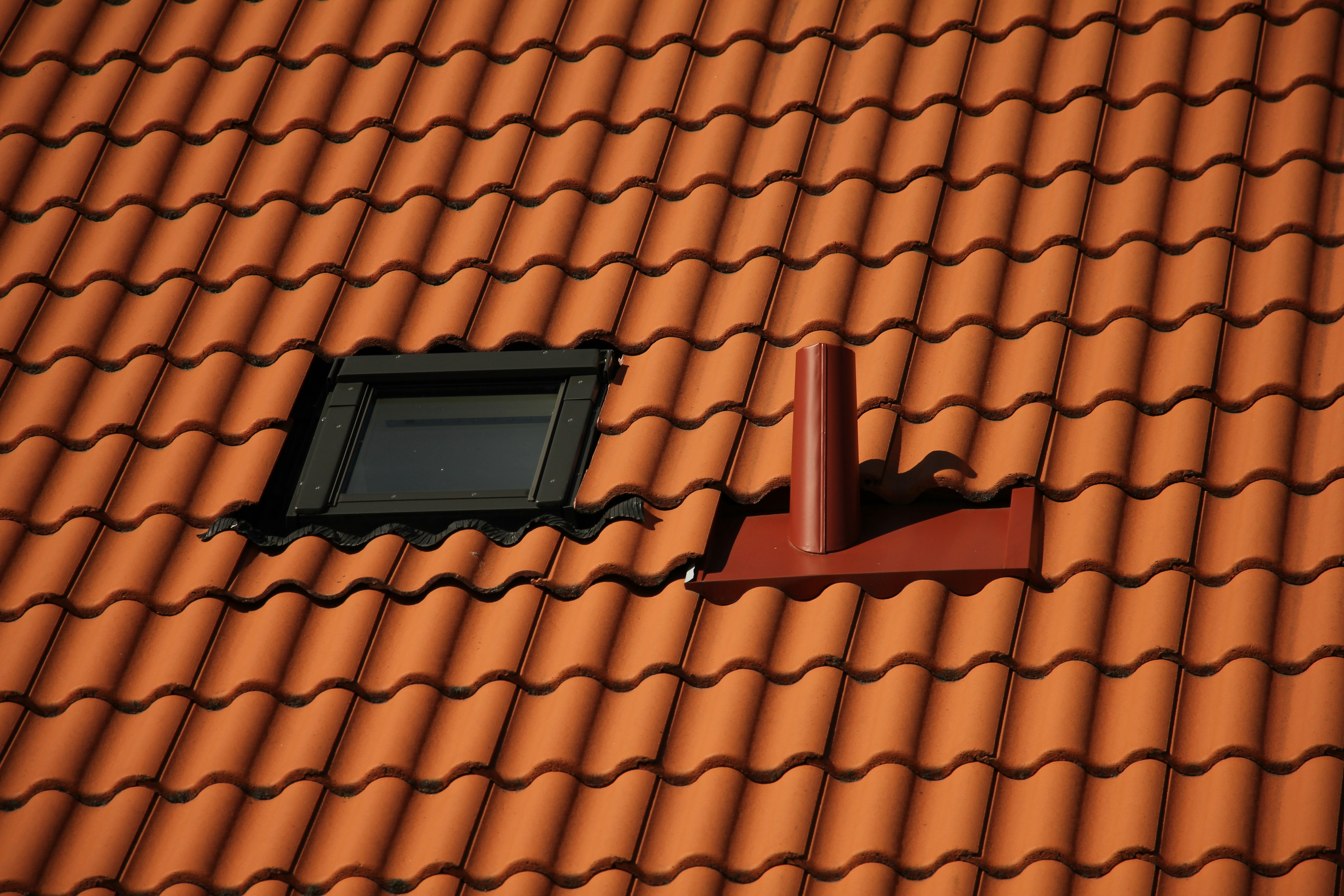
An emergency roof repair kit is a homeowner’s first line of defense against the damaging impact of water intrusion following a tornado or other severe weather events. Stocking this kit with essentials such as a high-quality sealant, durable tarps, and a variety of nails and fasteners allows them to quickly address minor damages to sections like the skylight or shingles, preventing the situation from worsening until professional help arrives. Their proactive readiness to tackle roof repairs displays a level of experience and preparedness that can significantly mitigate the havoc wreaked by unpredictable weather.
During an emergency, swift action is paramount to protect the home from further damage; hence, a well-prepared roof repair kit should be easy to access and use. Homeowners gain an advantage by familiarizing themselves with the application of these materials, leading to more efficient and effective temporary fixes. By minimizing water entry through prompt rooftop interventions, occupants bridge the gap between crisis and repair, demonstrating how an individual’s experience with their kit’s contents can make a notable difference in the aftermath of severe storms.
Applying Immediate Solutions to Roof Leaks
In the midst of a weather crisis, homeowners urgently seeking emergency roof repair must prioritize locating the source of leaks, covering exposed areas with tarps, and applying temporary patches. Quick, resourceful action can mitigate the costly toll on a roof‘s structure, potentially reducing insurance deductibles and restoration expenses down the line. This section offers a roadmap for prompt leak detection, effective use of tarps to protect vulnerable zones, and strategic sealing techniques, all pivotal in managing crisis-driven roof repairs. By balancing emergency fixes with considerations for future insurance claims and payment concerns, homeowners gain the knowledge to safeguard their roofs and finances effectively.
Locating the Source of the Leak Promptly
In the thick of emergency roof leak scenarios, a focused inspection is the homeowner’s first move. With precipitation potentially exacerbating the hazard, locating the leak‘s source should be done swiftly to prevent water from infringing on the homeowner’s privacy and causing further damage. Experienced roofers advocate targeting the attic or the highest point where water signs appear, as water travels downward, making these areas crucial starting points for identifying the leak‘s origin.
Adhering to their privacy policy if contractors are involved, homeowners should closely monitor for water stains or dampness during an emergency roof leak to pinpoint the breach. Utilizing bright lights can reveal subtle drips and moisture trails, fundamental cues for determining the compromised roof zone that requires immediate attention. This inspection must happen with haste, as timely identification can significantly reduce the risk of extensive damage.
Using Tarps to Cover Damaged Roof Areas
In the midst of a rooftop crisis, a simple carpentry solution like applying a tarp can make a significant difference, especially when dealing with metal roofs vulnerable to flooding. With a protective tarp in place, homeowners can prevent water from entering through damaged zones, which not only offers a temporary fix but also safeguards the home’s interior until emergency roofing services can carry out a permanent repair. Additionally, this action may be instrumental in ensuring that any existing warranty on the roof remains intact, a crucial consideration for future claims.
During emergency roofing situations, it’s essential to choose a tarp that is robust enough to withstand the elements. Homeowners should secure tarps over the afflicted area, making sure the edges are anchored well beyond the damage to avoid water ingress. This hands-on approach provides immediate relief by averting the risk of a flood and giving homeowners the breathing room needed to schedule comprehensive repairs, thus illustrating the proactive stance vital in emergency roof management.
Sealing Leaks With Temporary Patches
In the wake of hail damage or during a relentless downpour, homeowners must act fast to implement leak repair measures. Temporary patches using roofing cement or specialized tape can swiftly seal breaches, buying valuable time for emergency roofing services to conduct thorough repairs. When the hail ceases and the storm subsides, these quick fixes prove indispensable in maintaining the integrity of the roof and abating interior water damage.
Understanding the terms of service for emergency roof repairs can inform homeowners about the temporary measures permissible before professional help arrives. For instance, a waterproof, adhesive patch can offer a rapid solution to a leaking roof area, mitigating the potential for structural degradation. This interim fix, paired with the expertise of licensed roofers, can ensure a seamless transition from emergency patching to robust, long-lasting repairs, aligning with homeowners’ urgent need for secure and dry living spaces.

Securing Loose Shingles and Roof Components
In the aftermath of storm damage, a thorough roof inspection can reveal the need for immediate repairs to prevent further issues related to ice, mildew, or pests. Addressing loose shingles and securing roof components is critical. By reattaching shingles with roofing cement, replacing missing shingles quickly, and tightening loose flashing around vents and chimneys, homeowners can mitigate damage and maintain their roof‘s integrity. These steps will be explored to empower homeowners with the necessary knowledge for quick, effective action.
Reattaching Shingles With Roofing Cement
In the face of tempestuous weather, reattaching loose shingles with roofing cement is an essential skill for homeowners. Not only does this repair protect the home’s interior from water ingress—potentially saving on home insurance claims—but it also guards against water damage that can lead to costly fixes for fire damage or a compromised flat roof. A proactive approach using roofing cement can extend the life of the roof without the immediate need for a roof repair contractor, maintaining the health of the home’s structure until professional reinforcement is possible.
Applying roofing cement requires precision; a mess could render the repair ineffective, leaving the home vulnerable. Homeowners should apply the cement generously under the curling corners of the shingle, pressing down firmly to ensure a secure bond. For those concerned about fire damage, using cement designed for fire-rated roofs may offer peace of mind. Though the task is straight-forward, hiring an experienced roof repair contractor might lead to a more durable and comprehensive solution, ultimately enhancing the integrity of the flat roof or shingled surface.
Replacing Missing Shingles Quickly
In Boston‘s variable climate, where moss and moisture can compromise roof shingles, acting quickly to replace missing shingles is critical to maintaining a building’s structural integrity. The truss, protected under the shingle layer, remains vulnerable to the elements when shingles are lost, making timely replacement essential. Homeowners should promptly measure the area, cut the new shingle to fit, and secure it with roofing nails and sealant to ensure the roof‘s durability against weather extremes and moss growth.
When it comes to emergency repairs, using plastic roofing cement to affix the new shingle provides a quick and effective solution that prevents water from seeping through and causing further damage. In the construction of a lasting defense, ensuring that the new shingle aligns and seals with the existing ones is a crucial step that residents of storm-prone areas must be prepared to undertake. This responsiveness not only safeguards the home but also provides a sense of security to the homeowner during the often uncertain post-storm period.
Tightening Loose Flashing Around Vents and Chimneys
Loose flashing around vents and chimneys poses a significant risk for water leakage, which makes it a critical focus in emergency tarping and home improvement efforts post-storm. Tightening and securing the flashing not only prevents immediate water ingress but also preserves the integrity of the roofing system, ensuring the homeowner’s policy is upheld and future insurance claims for water-related damages are minimized. Quick action, such as employing suitable sealants and fasteners, exemplifies an effective response to potential vulnerabilities on the roof.
Having a strategy for tightening loose flashing is essential, and homeowners savvy in emergency roof repairs recognize the value of seeking a free roofing estimate from reputable roofing professionals. By acting promptly to address loose components, they not only enhance their home’s defense against the elements but also demonstrate due diligence, which can be beneficial when negotiating with insurance providers. Effective mitigation of such risks not only secures the immediate safety of the residence but may also contribute to a reduction in overall restoration costs.

Patching Small Holes and Cracks Efficiently
Addressing an emergency leaking roof promptly can help control the roof repair costs and prevent damage to the plywood substructure, commonly affected by snow and hail damage. The upcoming discussions will guide homeowners through essential steps such as properly cleaning the damaged area, sealing minor cracks with roofing tape, and applying sealant to small holes—essential skills for urgent, cost-effective roof repairs. These practical, easy-to-follow repair tips are crucial for maintaining a home’s defense against further weather-induced impairment.
Cleaning the Damaged Area Properly Before Repair
Before emergency repairs can commence, cleaning the affected roof area is essential to ensure the adhesion of roof coating materials. Dirt, debris, and moisture can compromise the repair’s effectiveness, leading to more severe infiltration issues over time. Homeowners should meticulously remove any loose particles and dry the area thoroughly, which helps in forming a durable bond when applying flashing and sealants during the roof repair process.
Addressing emergency roof damage involves more than a quick fix; it demands a keen eye for preparing the surface to prevent future leaks. A clean and properly prepared surface provides an optimal environment for the emergency coating and patches to adhere to, ensuring a stronger defense against water infiltration. Homeowners who take the time to perform this step diligently are creating a more resilient barrier against the elements, underlining the significance of a thorough prep job in any emergency repair scenario.
Applying Roofing Tape to Seal Minor Cracks
Amidst the unpredictable furies of heat waves and wind storms, minor roof cracks can quickly escalate into significant issues that demand immediate action. Roofing tape emerges as a reliable ally, offering a simple and swift solution for homeowners to seal those cracks. Its efficacy is well-regarded by roofing companies, as it forms a resilient, water-resistant seal that provides a buffer against further deterioration caused by tree limbs or extreme temperatures, underscoring its integral role in emergency roof fixes.
Applying roofing tape doesn’t just patch up the immediate problem; it reflects a proactive approach, hailed by experts at RoofPro, in safeguarding one’s home against the elements. The homeowner, guided by clear instructions or a quick consultation with a trusted roofing company, can confidently apply the tape to ensure that their roof can withstand the barrage of heat and wind. This straightforward, yet effective method equips homeowners with the essential knowledge to address roof repair needs with prompt efficiency and minimal fuss.
Using Roof Sealant for Small Holes
Applying roof sealant emerges as an essential tool in combating small holes that can blossom into detrimental leaks. One must exercise due diligence to select a sealant appropriate for their roof type, be it tile or asphalt, to ensure an effective roof repair. With rights reserved for larger, more complex jobs to professional roofers, homeowners can still confidently address minor damage, upholding the integrity of their residential shield against the elements.
The practical efficiency of a roof sealant is clear when homeowners take swift action to prevent a minor roof leak from escalating. By thoroughly cleaning the area and applying a high-quality sealant, they create a waterproof barrier over the hole, demonstrating a cost-effective and reliable method to secure their homes. Such straightforward reparative measures solidify a home’s frontline defense, providing owners with a sense of security and the comfort that their rights to a leak-free home are reserved and protected.

Practicing Safety Measures During Emergency Repairs
As homeowners tackle the urgency of a damaged roof, particularly when eyeing a future insurance claim, assessing safety measures becomes as critical as the repair itself. Key topics such as evaluating weather conditions before commencing roof flashing repair, donning the proper safety gear, confirming ladder stability, and partnering up for enhanced safety are paramount. Each contributes to an informed approach that safeguards against further harm while managing repairs before engaging with the insurance company. These preventive strategies, crucial for any roof repair process, are delineated to provide homeowners with actionable steps to ensure personal safety and efficient outcomes in emergency repair situations.
Assessing Weather Conditions Before Starting Work
Before homeowners or general contractors embark on 24-hour roof repair, a thorough evaluation of weather conditions is imperative. Taking this step mitigates risk and ensures the effectiveness of any repair effort. A forecast predicting clear skies may provide a temporary window for safe repairs, whereas ongoing inclement weather conditions can substantially increase the danger for individuals and the structure itself.
While emergency repair companies may be equipped to deal with a variety of situations, ensuring proper ventilation and that conditions are safe for work is essential. This precautionary assessment helps homeowners and repair professionals avoid hazards such as strong winds or lightning, which can turn a repair scenario into a risky endeavor. Only when the weather conditions have been deemed safe should the repair commence to protect against potential accidents.
Wearing Appropriate Safety Gear and Equipment
When undertaking any emergency repair, homeowners must prioritize their safety by wearing the appropriate gear. A sturdy helmet, slip-resistant shoes, and durable gloves are essential when applying sealant or addressing a dam on the rooftop to prevent accidents. Such precautions are particularly crucial during DIY repairs which lack the immediate professional oversight of an emergency service.
Before climbing onto a potentially compromised structure to inspect damage or initiate a DIY fix, securing the right safety equipment is as necessary as locating the plumbing toolbox. Goggles can protect eyes from the debris often dislodged during emergency repairs, while harnesses offer an added layer of security against falls, showcasing a homeowner’s commitment to sound safety practices along with their repair proficiency.
Ensuring Ladder Stability and Proper Setup
When facing repairs for damaged roofs—whether they involve metal, bitumen, or classic shingle—a safe, stable ladder setup is the linchpin of any successful DIY roof repair. It’s vital that the ladder rests on a level surface and extends at least three feet beyond the edge of the roof, providing a secure ascent and descent from the attic to the apex. This careful preparation not only supports safety but also ensures the homeowner can focus on the task at hand, answering the implicit FAQ of emergency repair: “How do I stay safe while fixing my roof?”
Ensuring ladder stability to access damaged areas requires diligent attention to detail—checking for defects, confirming it’s properly extended, and securing it against slipping is paramount. Anchoring the top end to the eaves or using a stabilizer can prevent shifting, a practical step often overlooked in the urgency to address leaks. Such precautions ground emergency repair efforts in safety, averting potential falls and adding an extra layer of reliability when traversing up to the attic or maneuvering over vulnerable metal and bitumen structures.
Working With a Partner to Enhance Safety
Engaging a partner in the process of repairing roof shingle damage not only bolsters overall safety but can also prevent missteps that might result in costly roof replacement. A partner can help maintain stability while navigating on lumber and offer a second set of eyes to spot roof leaks, reducing the risk of overlooking small issues that can lead to more significant damage. When two individuals collaborate, they support each other physically and mentally, making emergency repairs more secure and efficient.
When it comes to urgent roof repairs, a partner can also serve as an observer, ensuring compliance with safety protocols that align with the homeowner’s insurance policy. In the event of an accident, having someone present ensures immediate assistance, potentially influencing the speediness of reporting the incident and subsequent coverage considerations. Their collective action not only manifests commitment to safety but also reinforces protection against insurance disputes, securing the dwelling’s integrity as they address vulnerabilities together.
Conclusion
Quick and effective emergency roof repairs are crucial for safeguarding your home against further damage and mitigating repair costs. A homeowner’s ability to recognize signs of damage, promptly seal leaks, and secure loose components can avert serious issues that arise from weather events. Equipping oneself with the right tools, knowledge, and safety measures ensures swift action and protection of the home’s integrity. This emergency repair handbook empowers homeowners with the essential steps to take immediate, informed action during roofing crises, reinforcing the importance of readiness and safety.